





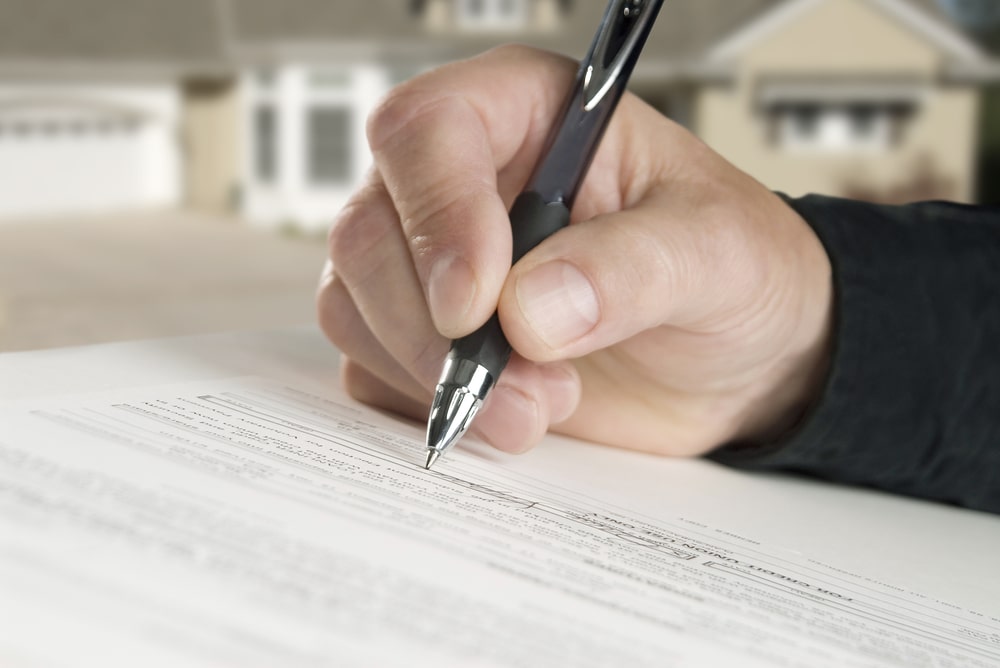
Settlements don’t just materialize out of a phone call. Somewhere near the start of nearly every successful injury claim sits a single document: the demand letter. It’s the formal ask that kicks off negotiations, and how well it’s put together often shapes everything that follows. A Abogado de lesiones personales en Deerfield Beach, FL can help you prepare a well supported demand letter that clearly outlines your injuries, financial losses, and basis for seeking compensation.
What a demand letter actually is
A demand letter is a written request, sent to the at-fault party or their insurance company, laying out what happened, why the other side is responsible, and how much compensation is being sought. It’s not a lawsuit. It’s the step that often happens instead of one, or right before one becomes necessary.
Put plainly, it’s the moment an injury claim turns from a private medical and financial situation into a formal negotiation with a number attached.
What’s actually inside one
A solid demand letter generally walks through a handful of core components, in roughly this order:
- A factual summary of how the injury happened.
- An explanation of why the other party is liable.
- A breakdown of damages — medical bills, lost income, and pain and suffering.
- A specific dollar amount being demanded.
- A deadline for the insurer to respond.
Skipping any one of these tends to weaken the letter’s impact. A demand without a deadline can sit on someone’s desk indefinitely; a demand without a clear liability argument gives the insurer an easy opening to dispute responsibility before money even enters the conversation.
Why timing matters more than people expect
Sending a demand letter too early is one of the most common and costly mistakes in the entire claims process. If treatment isn’t finished and the full extent of an injury isn’t yet known, the letter ends up demanding compensation for a number that’s still incomplete.
The better approach is waiting until medical treatment has reached a clear plateau — what’s often called maximum medical improvement — so the letter can account for the full scope of past and future costs. A letter sent too soon may need a do-over, and a do-over rarely lands with the same negotiating weight as the original would have.
It sets the tone for everything that follows
Worth knowing: insurance adjusters form an impression fast. A well-organized, well-documented demand letter signals that the claim is serious and that the person sending it understands its actual value. A sloppy, vague, or wildly inflated letter can do the opposite, sometimes encouraging an adjuster to lowball the response simply because the initial ask wasn’t credible.
That first impression tends to anchor the entire negotiation. Insurers rarely jump straight to their best offer, but how seriously they treat the back-and-forth often traces directly back to how the conversation opened.
Common mistakes that weaken a demand letter
A few recurring problems show up again and again in weak demand letters:
- Demanding a number with no supporting documentation behind it
- Leaving out future medical costs or ongoing treatment needs
- Using vague, emotional language instead of specific facts
- Failing to attach or reference the records that back up the claim
Each of these gives the receiving insurer an easy reason to discount the letter rather than engage with it seriously.
What happens after it’s sent
Once a demand letter goes out, the insurer typically reviews it, investigates the claim, and responds with either an offer, a denial, or a counteroffer. From there, negotiations usually go back and forth until both sides land on a number — or until it becomes clear they won’t, at which point a lawsuit becomes the next real option.
It’s no exaggeration to say the entire negotiation often traces its shape back to that first letter. A strong opening position gives both sides room to negotiate toward something fair. A weak one can mean settling for far less than the claim was ever actually worth.
What this means for your claim
A demand letter isn’t just paperwork — it’s the document that sets the terms of the entire conversation that follows. Getting the timing, the documentation, and the number right matters more than most people realize going in.
If you’re approaching this stage of a claim, it’s worth having a qualified attorney review the letter before it goes out, since the way it’s framed can shape the outcome long before any negotiation even begins. Warner & Fitzmartin Abogados de Lesiones Personales can help you prepare and review a demand letter to ensure your injuries, losses, and supporting evidence are clearly presented during settlement negotiations.


