





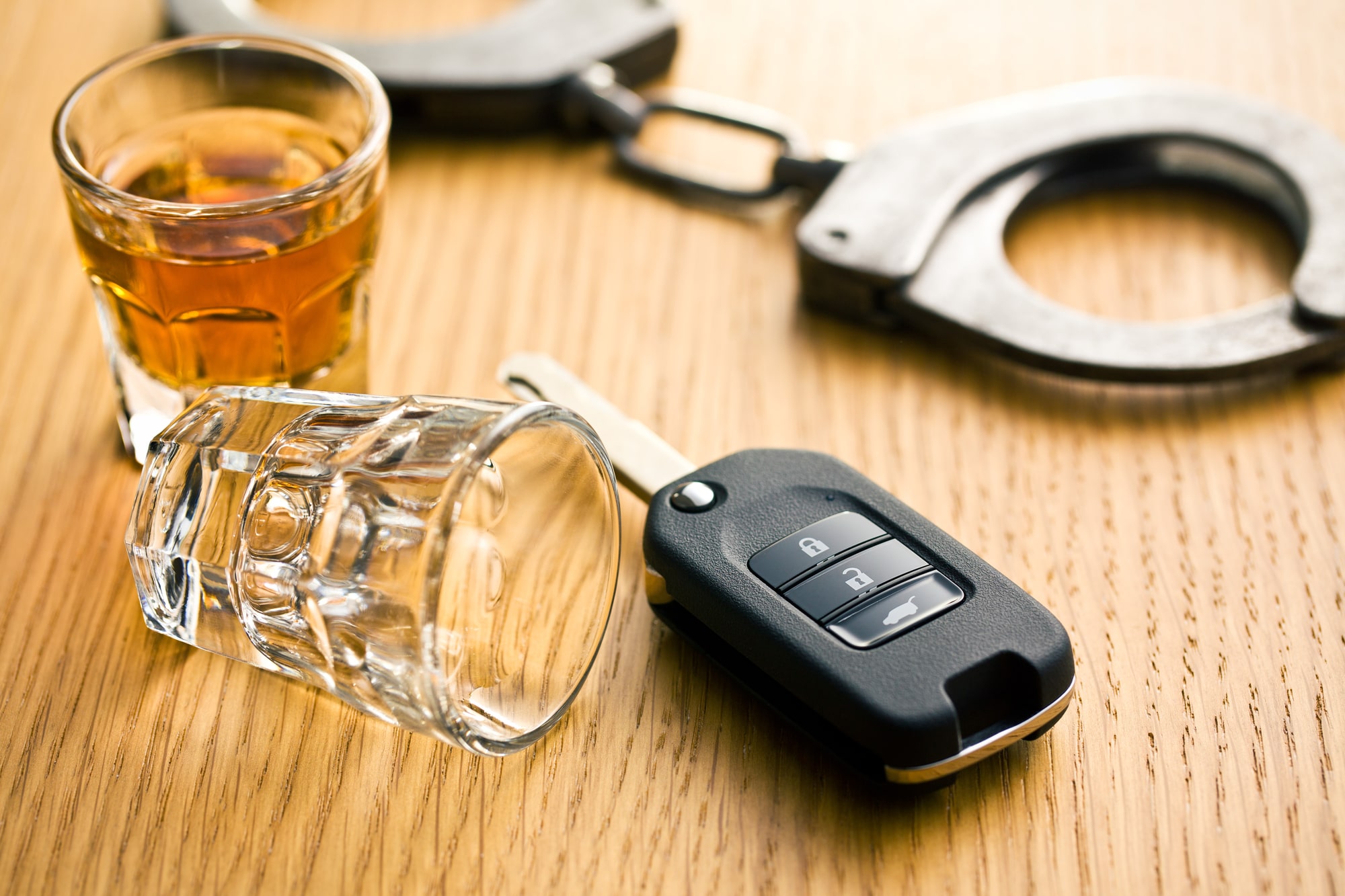
After a drunk driving crash, most people’s first instinct is to go after the driver. That makes sense — the driver was behind the wheel, impaired, and directly responsible for the collision. But there’s often a second, separate legal path available: a dram shop claim against whoever served the alcohol in the first place. These two types of cases look similar on the surface, but underneath, they run on completely different rules. A Abogado de accidentes automovilísticos en West Palm Beach, FL can help you explore whether a claim against the impaired driver, an alcohol serving establishment, or both may be available after a crash.
The two claims at a glance
|
Drunk Driving Lawsuit |
Dram Shop Claim |
|
| Who you’re suing | The impaired driver | The bar, restaurant, store, or host who served the alcohol |
| Legal theory | Ordinary negligence | Statutory liability (created by specific state laws) |
| What you must prove | The driver was careless and caused the harm | The seller/host served someone visibly intoxicated or underage, and that contributed to the harm |
| Where the money comes from | Driver’s auto insurance | Business’s liquor liability insurance, or the host personally |
| Typical filing deadline | Standard personal injury statute of limitations | Often shorter, with stricter notice requirements |
That table covers the broad strokes, but each row deserves a closer look.
Different defendant, different standard
A standard drunk driving lawsuit treats the case like any other car accident claim. You’re arguing the driver breached a duty of care — by getting behind the wheel impaired — and that breach caused your injuries. It’s negligence law in its most familiar form.
A dram shop claim works differently because it isn’t built on common-law negligence at all. In most places, dram shop liability exists only because a legislature passed a specific statute creating it. Without that statute, an injured person generally couldn’t sue the bar under traditional negligence principles, since courts long treated the choice to drink as the true cause of any resulting harm rather than the act of serving it.
The proof requirements don’t match up
Winning a drunk driving case against the driver requires the usual elements: duty, breach, causation, and damages. Police reports, BAC results, and witness accounts of the crash itself typically carry the day.
A dram shop claim adds an extra, harder-to-prove layer. You’re not just showing the driver was impaired — you’re showing the establishment or host knew, or should have known, that the person was already visibly intoxicated (or underage) and kept serving anyway. That’s a separate factual question entirely, and it usually requires its own evidence: receipts, surveillance footage, or testimony from people who were there before the crash ever happened.
The money trail looks different too
In a typical drunk driving case, recovery usually comes from the driver’s auto liability policy. If that driver is uninsured or underinsured, the injured person may be stuck relying on their own coverage instead.
Dram shop claims open up a different pool of money. Bars and restaurants that carry liquor liability insurance specifically to cover overserving claims, and that coverage often exists independent of whatever auto insurance the driver happened to carry. For victims dealing with a driver who has minimal or no insurance, that second source of recovery can matter enormously.
Deadlines aren’t interchangeable
Here’s a detail that trips people up constantly: the clock on a dram shop claim frequently runs differently than the clock on the underlying drunk driving case. Some places require formal written notice to the business within a matter of months, well before the standard personal injury deadline would even be a concern.
Treating both claims as if they share one deadline is a common and costly mistake. Missing a shorter dram shop notice requirement can permanently close off that claim, even while the case against the driver remains very much alive.
Can you pursue both claims at once?
In many places, yes. It’s common for an injured person to name both the driver and the establishment or host in the same lawsuit, letting a judge or jury sort out how much responsibility each party should bear.
That said, the two claims still have to be proven separately, since they rest on different legal theories and different facts. A strong case against the driver doesn’t automatically carry over into a strong case against the bar, and vice versa.
Why the distinction matters
Treating a drunk driving crash as a single claim against a single defendant can leave real compensation on the table, especially when the driver’s insurance falls short. Understanding that a separate, differently structured claim might exist against whoever served the alcohol is the first step toward finding out whether more than one party shares responsibility. A qualified attorney can help sort out which claims actually apply given where and how the alcohol was served. Warner & Fitzmartin Abogados de Lesiones Personales can help you assess whether additional parties may be liable for an alcohol related crash and explore the compensation options available under the applicable law.


