



Falls on poorly maintained property cause thousands of serious injuries every year. What seems like a simple slip can result in broken bones, traumatic brain injuries, or spinal damage requiring extensive medical treatment. When property owners neglect their responsibility to maintain safe conditions, injured visitors have legal grounds to seek compensation.
Our friends at Hickey & Turim, S.C. discuss what separates successful claims from those that fail. A slip and fall lawyer represents injured people pursuing damages against negligent property owners, gathering evidence that proves dangerous conditions existed and caused real harm.
Understanding Premises Liability
Property owners have a legal duty to keep their premises reasonably safe for visitors. This duty extends to retail stores, restaurants, office buildings, apartment complexes, and private residences. The specific level of care owed depends on why the injured person was on the property.
Business invitees receive the highest protection. Anyone entering commercial property for the owner’s benefit, such as customers in stores, has the right to expect safe conditions. Property owners must regularly inspect for hazards and either fix dangerous conditions promptly or provide adequate warnings.
Social guests on private property receive somewhat less protection but are still owed reasonable care. Property owners must warn about known dangers that guests wouldn’t ordinarily discover. Trespassers generally receive minimal duty, though exceptions exist for children and in other specific circumstances.
Common Hazards That Cause Falls
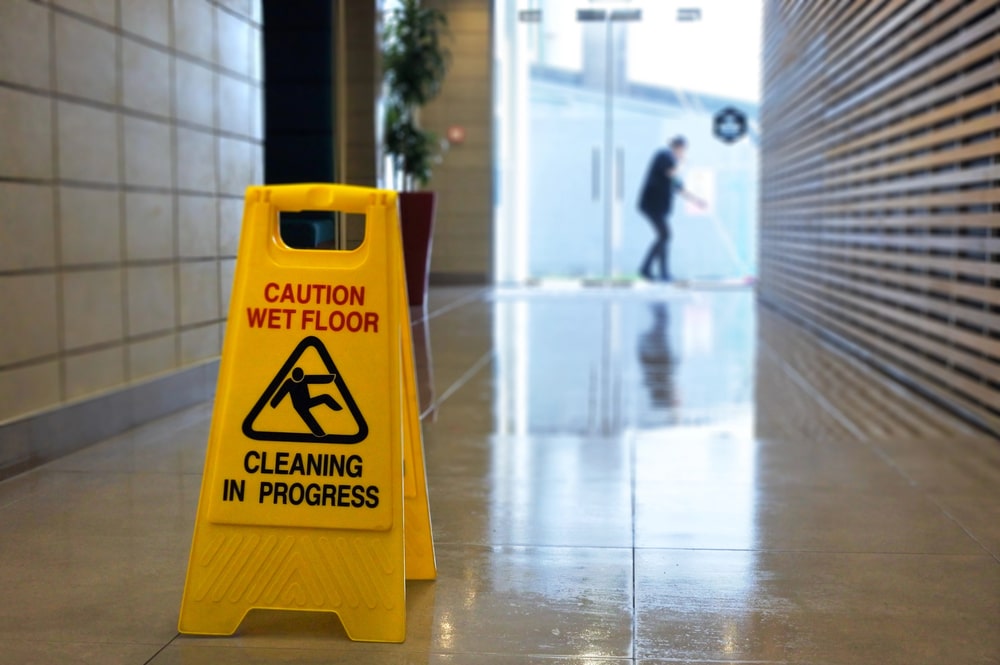
Wet floors create some of the most frequent slip hazards. Grocery stores deal with produce that drops and gets crushed, creating slippery surfaces. Recently mopped floors without warning signs catch shoppers off guard. Leaking refrigeration units or roof leaks create puddles that remain unaddressed for hours.
Uneven walking surfaces cause tripping accidents. Cracked sidewalks, potholes in parking lots, or torn carpeting all create hazards. Transitions between different flooring materials, when poorly maintained or marked, lead to stumbles.
Weather-related conditions including ice, snow, and wet leaves on walkways present seasonal dangers. Poor lighting in stairwells, parking structures, or hallways prevents people from seeing hazards in time to avoid them. Cluttered aisles with merchandise or equipment blocking pathways create obstacles.
Additional common causes include:
- Defective stairs with uneven treads or risers
- Missing or broken handrails on staircases
- Freshly waxed floors without adequate drying time or warnings
- Loose floorboards or tiles
- Hidden elevation changes without proper marking
- Debris or spills left unattended
The Notice Requirement
Winning a slip and fall case typically requires proving the property owner knew or should have known about the dangerous condition. Actual notice exists when evidence shows the owner was directly aware of the hazard. This might be documented through incident reports, employee communications, or maintenance logs.
Constructive notice applies when a hazard existed long enough that reasonable inspection procedures would have discovered it. If a spill sits on a grocery store floor for three hours during business hours, the store should have found and cleaned it during routine inspections. The longer a condition exists, the stronger the constructive notice argument becomes.
Some conditions create liability without notice requirements. Property owners who create hazards through their own actions or allow inherently dangerous conditions to persist can be held liable regardless of actual knowledge.
Injuries We See In Fall Cases
Falls produce a wide range of injuries. Wrist and arm fractures are common as people instinctively reach out to break their fall. Hip fractures, particularly in older adults, can be devastating and lead to long-term mobility problems or even life-threatening complications.
Head injuries occur when people strike floors, stairs, or nearby objects. Concussions and traumatic brain injuries can cause lasting cognitive problems. Spinal injuries including herniated discs, compression fractures, or spinal cord damage may result in chronic pain or paralysis.
Knee injuries including torn ligaments and meniscus damage often require surgery and lengthy rehabilitation. Shoulder injuries from the impact can involve rotator cuff tears or dislocations. Even seemingly minor soft tissue injuries can cause chronic pain and limit daily activities.
According to the Centers for Disease Control, falls are the leading cause of injury-related emergency department visits, with millions occurring annually.
Gathering Evidence Immediately
Documentation collected at the accident scene strengthens claims significantly. Photos should capture the hazard that caused the fall, surrounding area, lighting conditions, and absence of warning signs. Multiple angles provide comprehensive documentation.
Measurements add precision to evidence. How large was the puddle? How deep was the pothole? What was the lighting level? These details help later when memories fade.
Incident reports filed with property managers or store employees create contemporaneous records. These reports should accurately describe what happened without admitting fault. Obtaining a copy immediately prevents later alterations.
Witness contact information is valuable. People who saw the fall or noticed the hazard beforehand can corroborate your account. Bystanders have no stake in the outcome and their testimony carries weight.
Clothing and shoes worn during the fall should be preserved. Defense attorneys scrutinize footwear choices, but reasonable shoes appropriate for the environment support your case.
The Role Of Surveillance Footage
Many commercial properties have security cameras. This footage can prove what conditions existed when you fell. However, surveillance recordings are often deleted after short retention periods, sometimes within days or weeks.
Sending a preservation letter to the property owner immediately after an accident legally obligates them to preserve relevant footage. We handle this notification promptly to prevent evidence destruction.
Comparative Fault Defenses
Property owners commonly argue that injured people share blame for their accidents. Claims that you weren’t paying attention, walked too fast, or ignored visible hazards are standard defense tactics.
Most states apply comparative negligence principles. Your compensation is reduced by your percentage of fault, but you can still recover if the property owner bears primary responsibility. Some states bar recovery if your fault exceeds 50% or 51%.
Strong cases emphasize reasonable behavior. Walking at a normal pace in appropriate footwear while paying reasonable attention demonstrates care. Hidden or unexpected hazards that would surprise any careful person strengthen claims.
Medical Treatment And Documentation
Seeking immediate medical attention serves two purposes. First, it protects your health by identifying and treating injuries promptly. Second, it creates medical records linking your injuries to the fall.
Delayed treatment allows insurance companies to argue injuries weren’t serious or resulted from something else. Gaps in treatment suggest conditions improved or that you didn’t follow medical advice.
Medical records should clearly document the injury mechanism. Providers need to understand you fell on someone’s property, what you struck, and what symptoms appeared immediately. This causal connection between the fall and injuries is essential.
Damages In Premises Liability Cases
Economic damages include all medical expenses from emergency treatment through ongoing care. Falls requiring surgery, hospitalization, or extensive physical therapy generate substantial bills. Future medical costs must be projected when injuries cause permanent limitations.
Lost wages compensate for income lost during recovery. Some fall injuries prevent people from working for weeks or months. Permanent disabilities may affect future earning capacity.
Non-economic damages address pain, suffering, loss of enjoyment of life, and emotional distress. Falls that once seemed embarrassing can leave lasting psychological impacts, particularly when injuries are severe or permanent.
Insurance Company Tactics
Property owners carry general liability insurance covering slip and fall claims. Insurance adjusters investigating your claim seek to minimize or deny liability.
Common tactics include quick settlement offers before injury severity becomes clear, requests for recorded statements used against you later, and surveillance hoping to catch activities inconsistent with claimed limitations. Social media posts showing any activity can be misconstrued.
Having legal representation protects against these tactics. We communicate with adjusters, provide necessary documentation, and refuse inadequate settlement offers.
Time Limits Matter
Statutes of limitations impose strict deadlines for filing lawsuits. These vary by state, typically ranging from one to four years from the accident date. Government property owners often require notice of claim within months.
Missing these deadlines eliminates your right to compensation regardless of how valid your claim is. Consulting with an attorney early protects your legal rights.
When Claims Have Merit
Not every fall creates legal liability. Obvious hazards that any reasonable person would notice and avoid don’t typically support claims. Falls caused entirely by inattention without any property defect rarely succeed.
Valid claims involve hidden hazards, inadequate warnings about known dangers, or conditions that violate building codes or safety standards. Property owners who knew about problems and failed to address them face liability for resulting injuries.
Moving Forward
Slip and fall accidents can cause serious injuries requiring extensive treatment and recovery time. Medical expenses, lost income, and physical limitations create financial and personal hardships. Property owners who neglect maintenance duties should be held accountable when their negligence causes harm.
If you’ve been injured in a fall on someone else’s property due to dangerous conditions, speaking with an attorney about your situation helps protect your rights. Legal representation ensures evidence is preserved, liability is properly investigated, and you receive fair compensation for injuries while focusing on recovery.